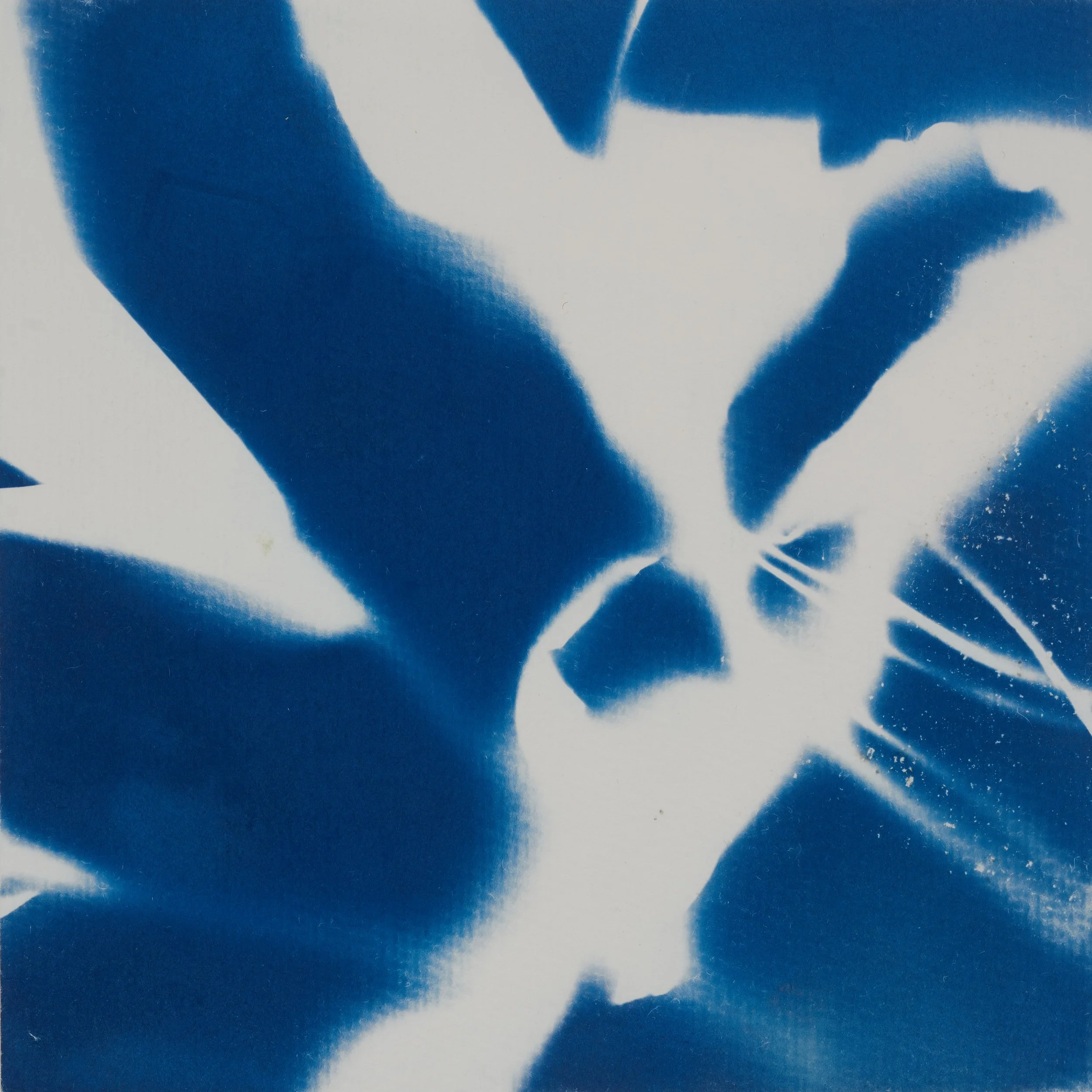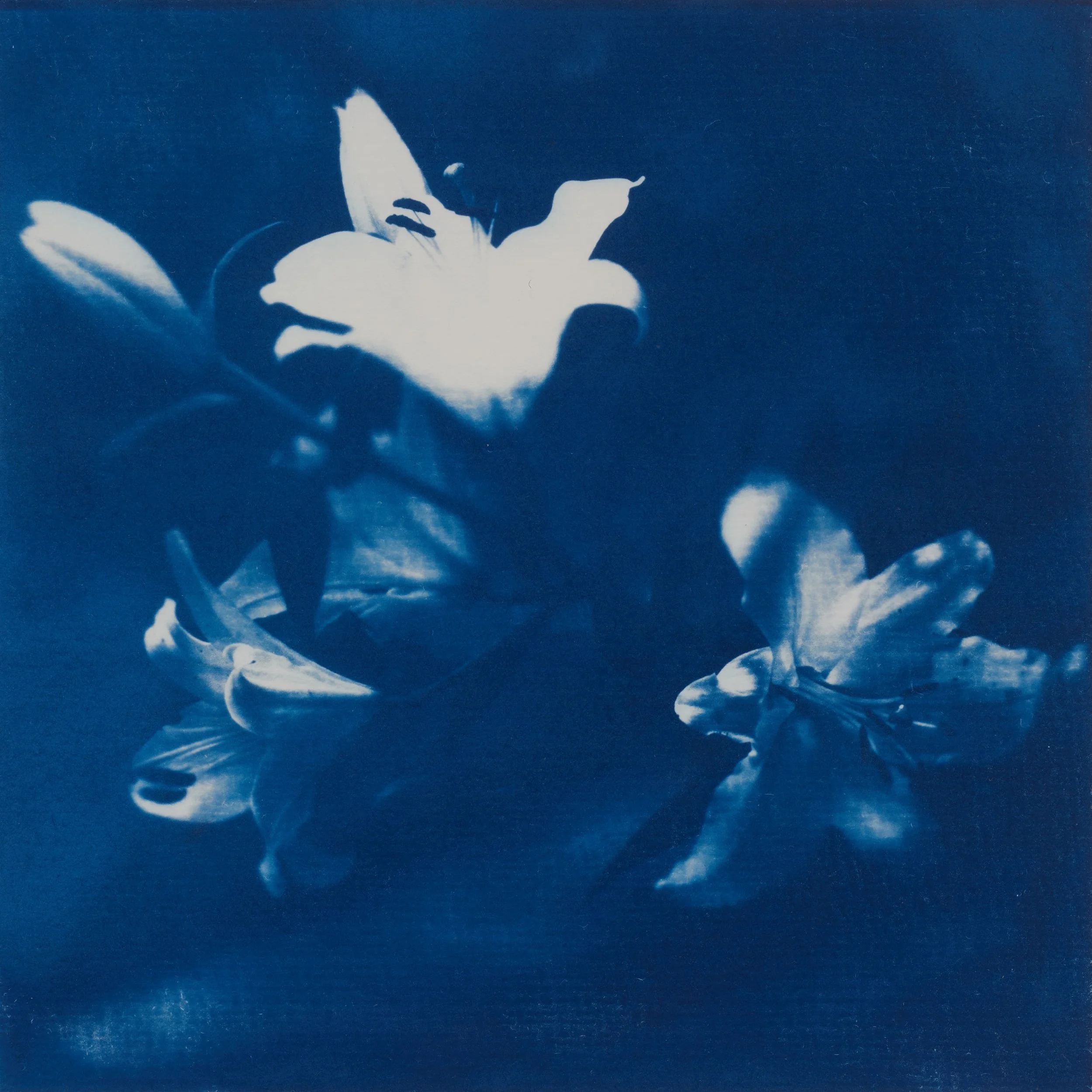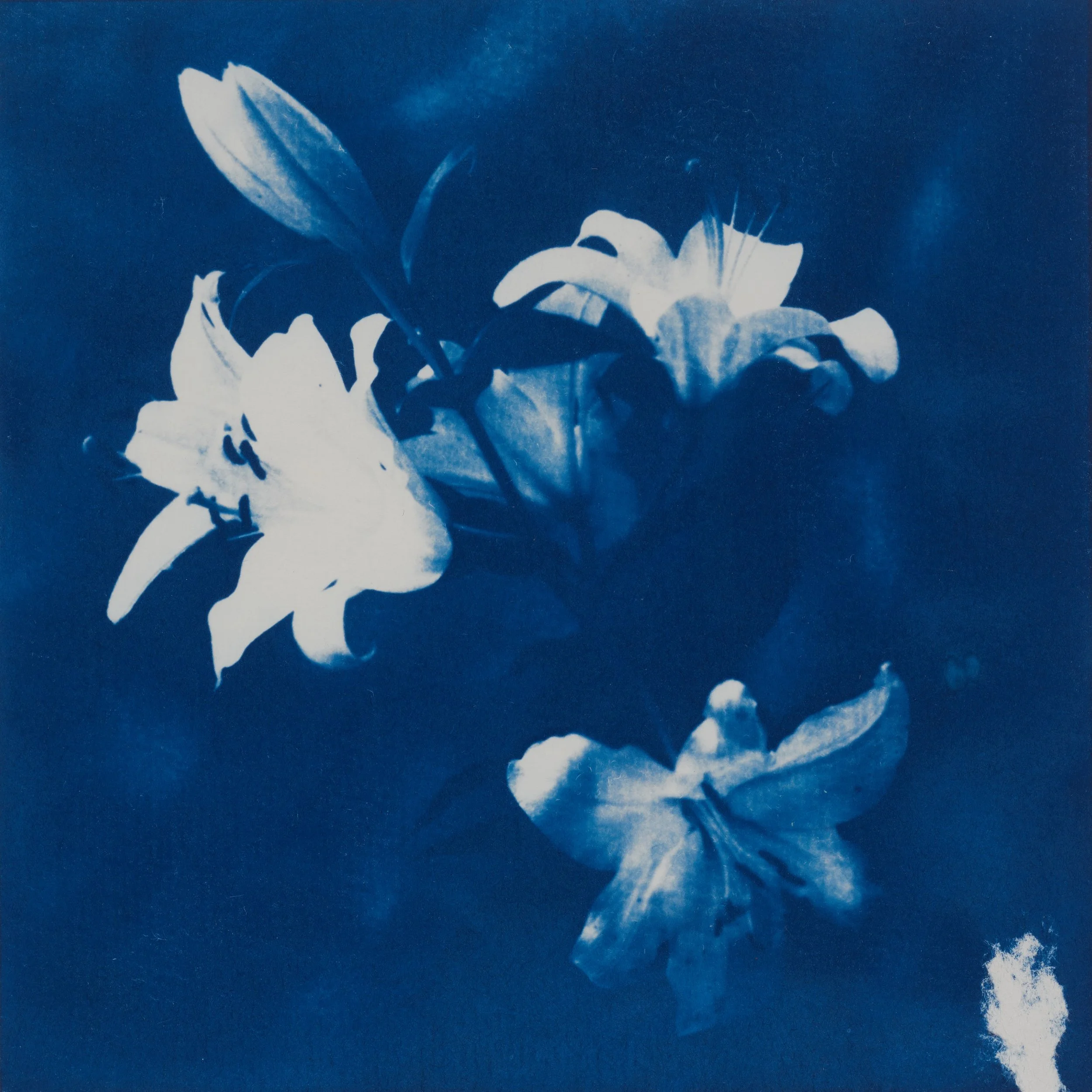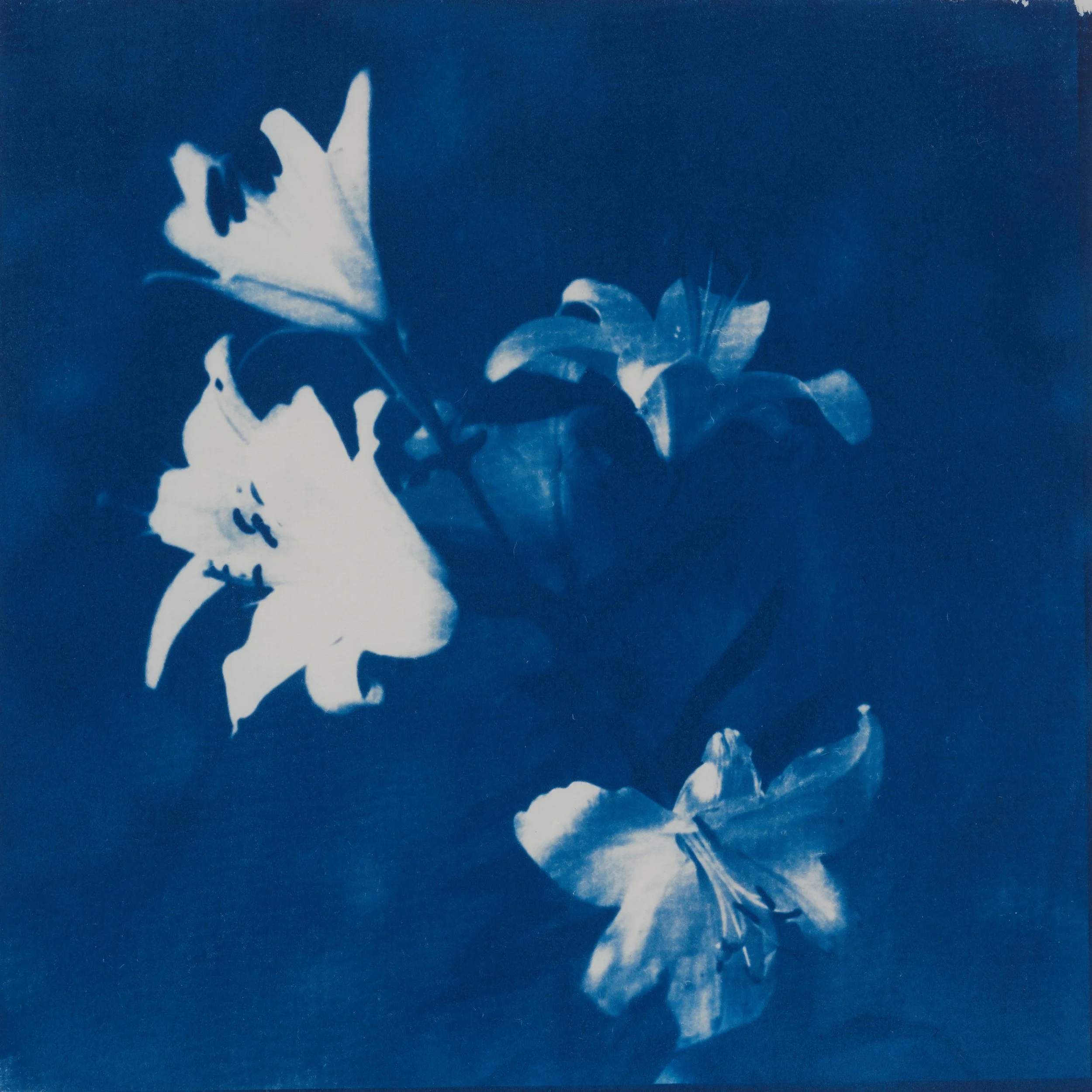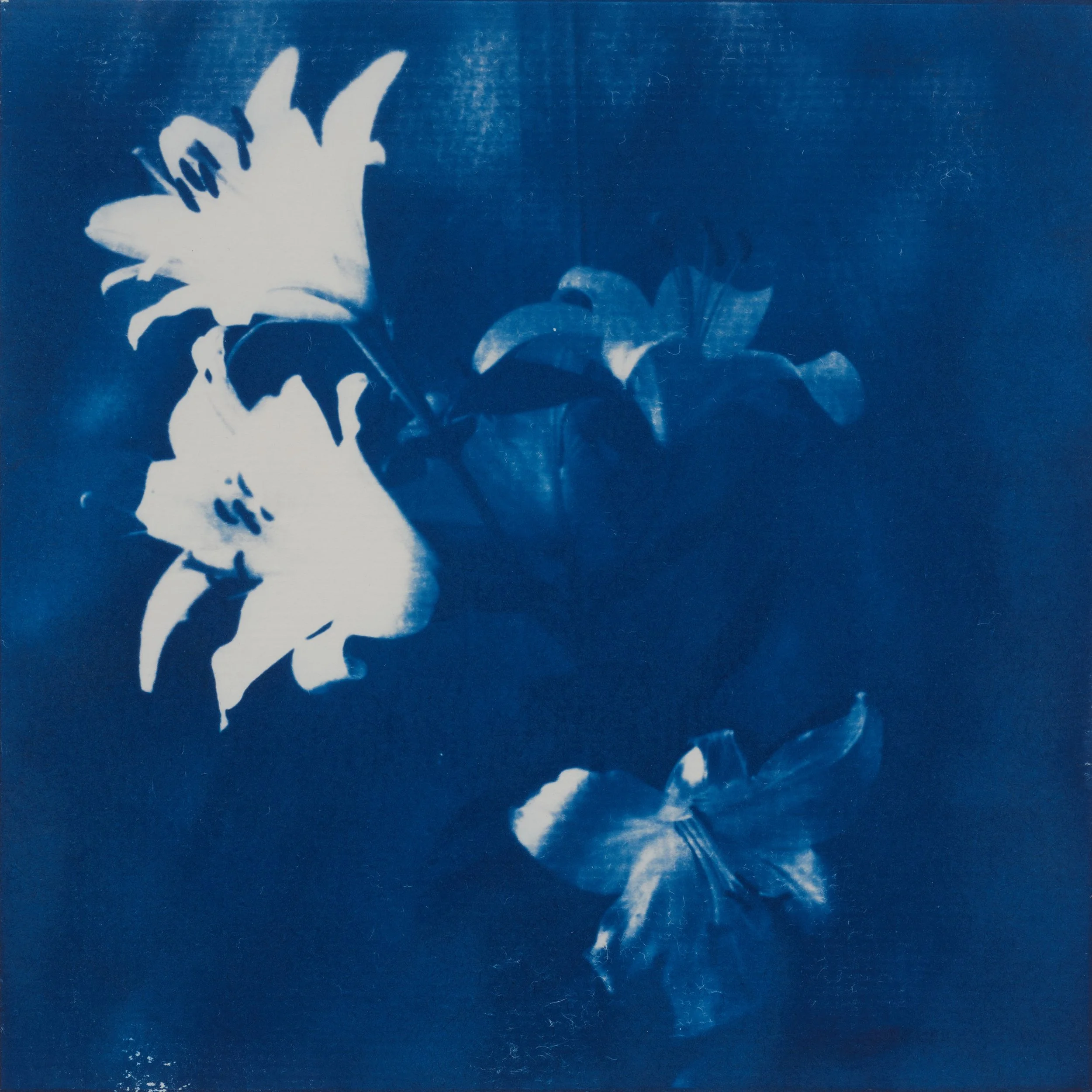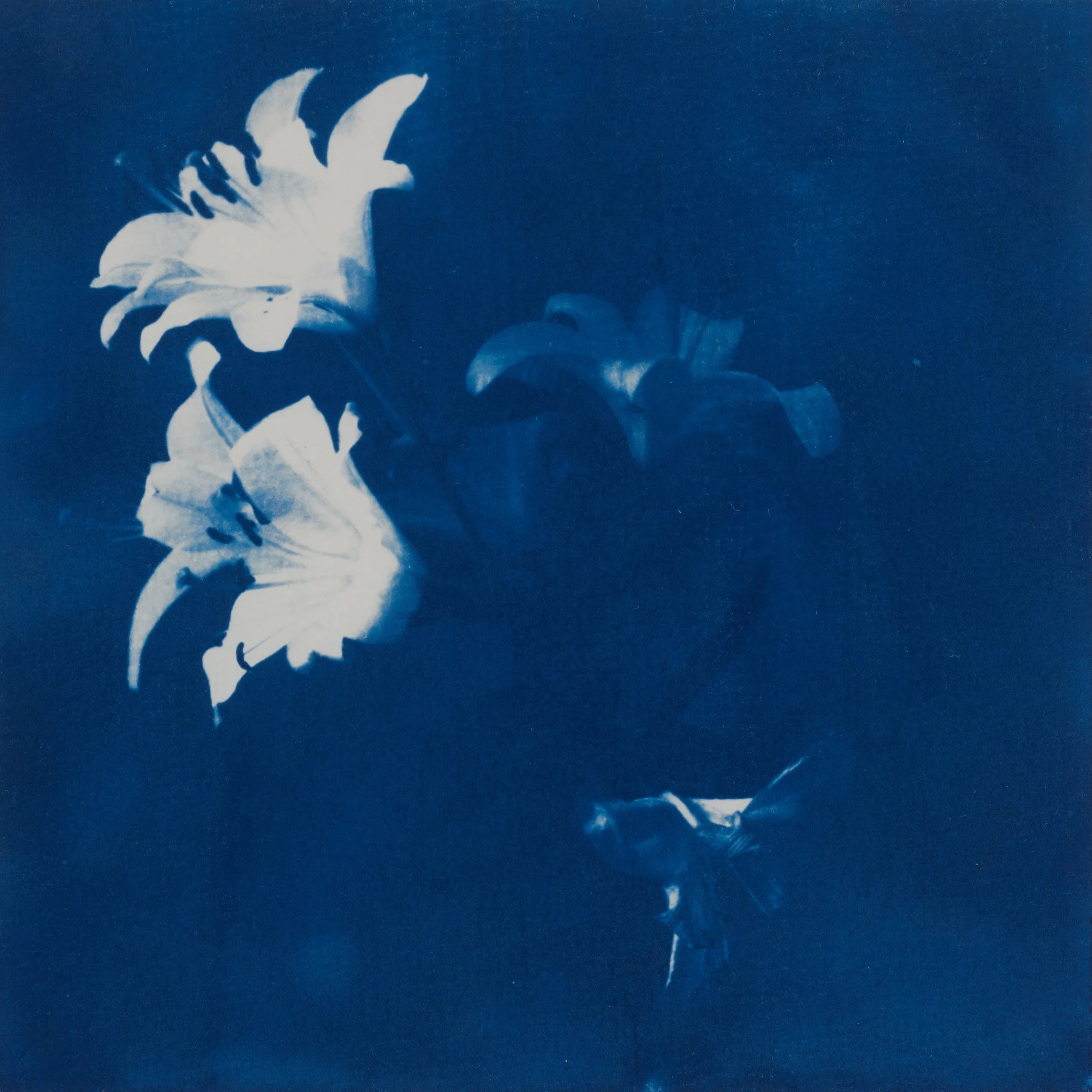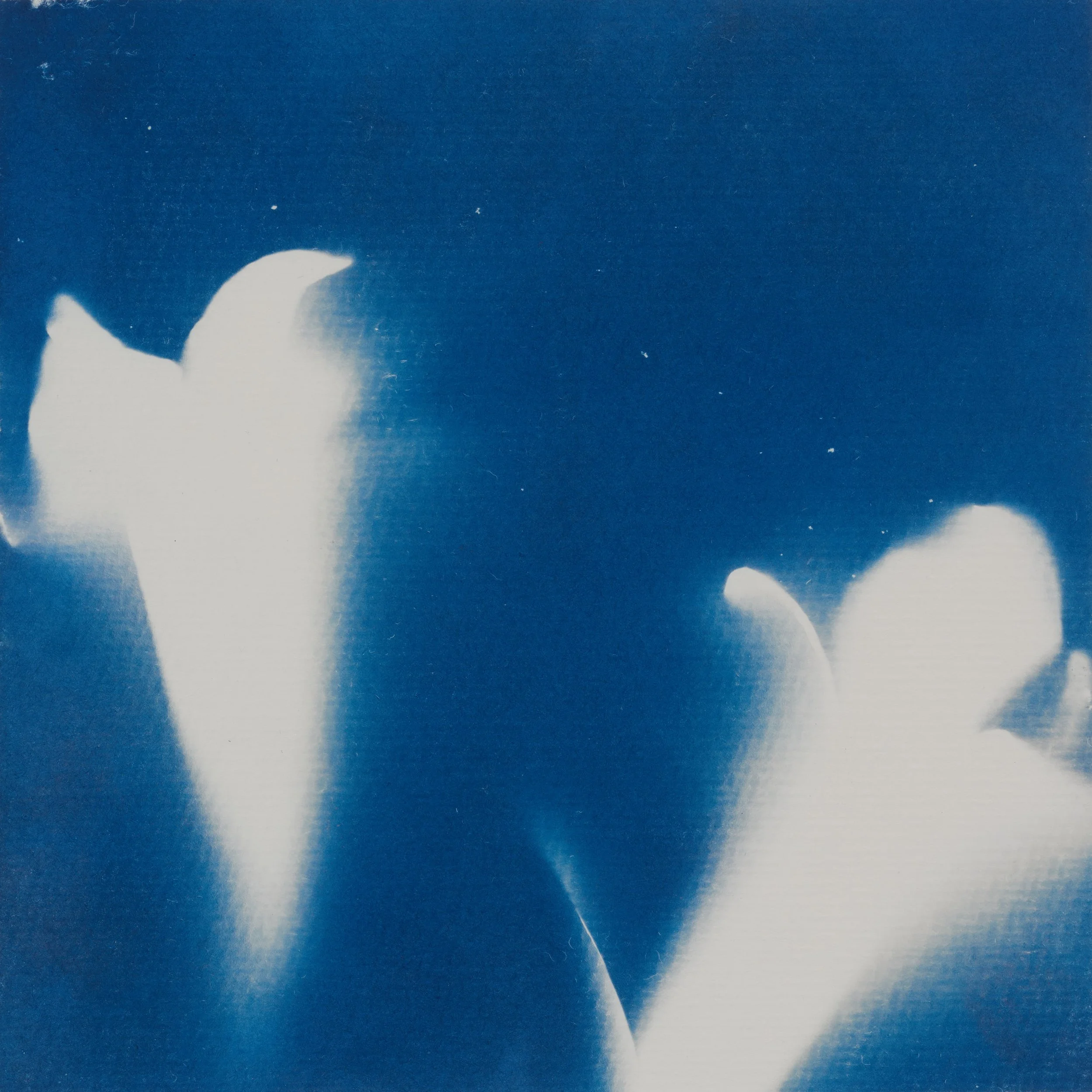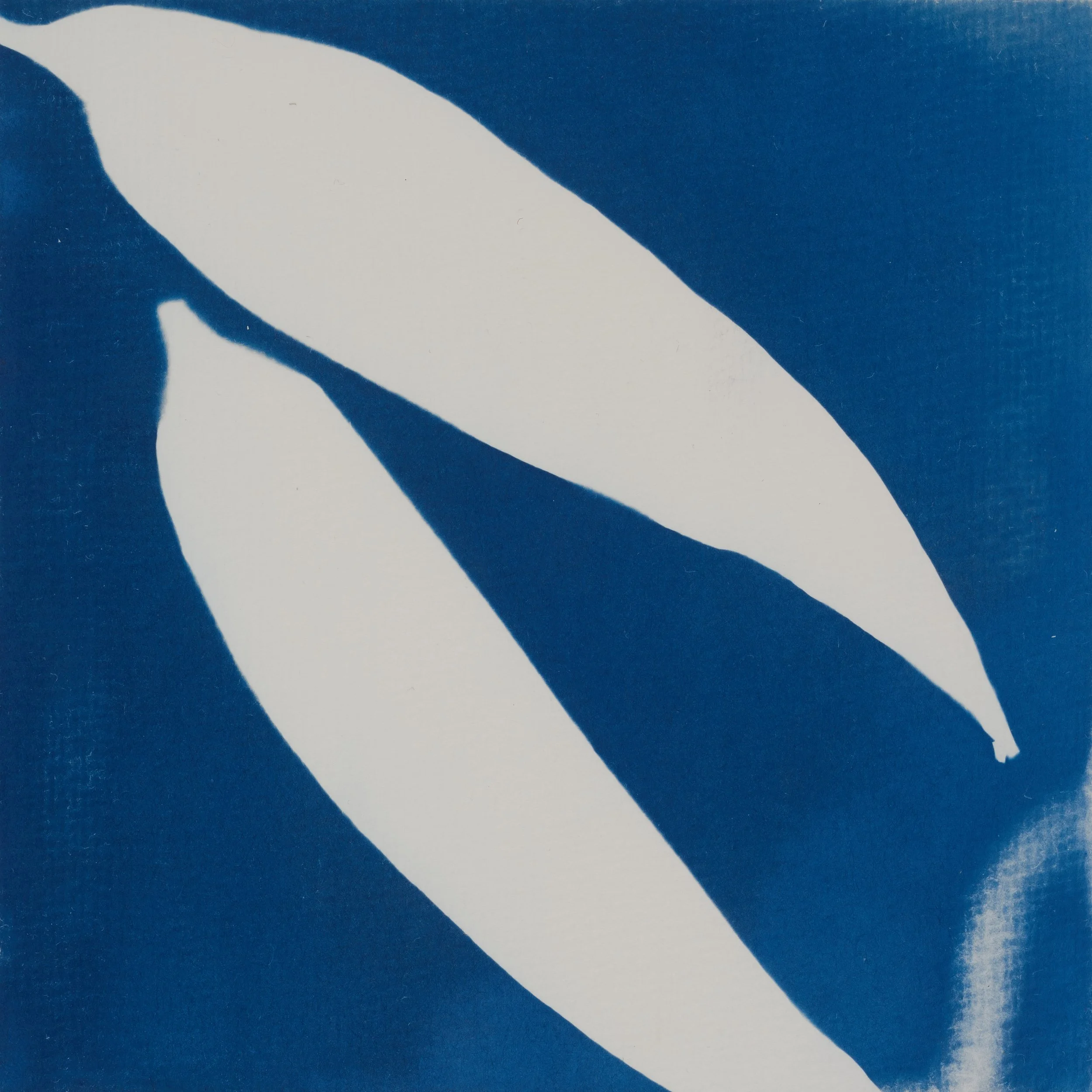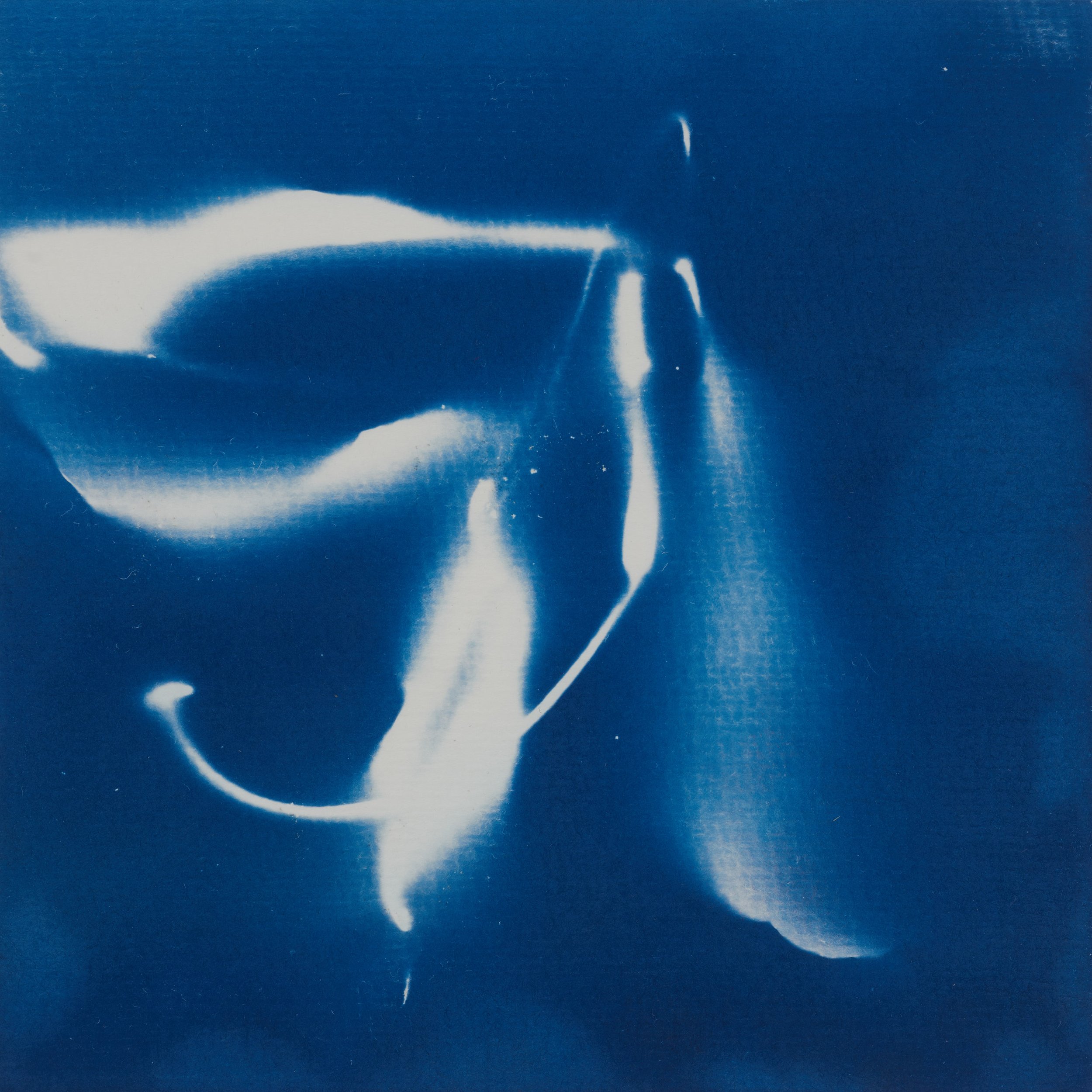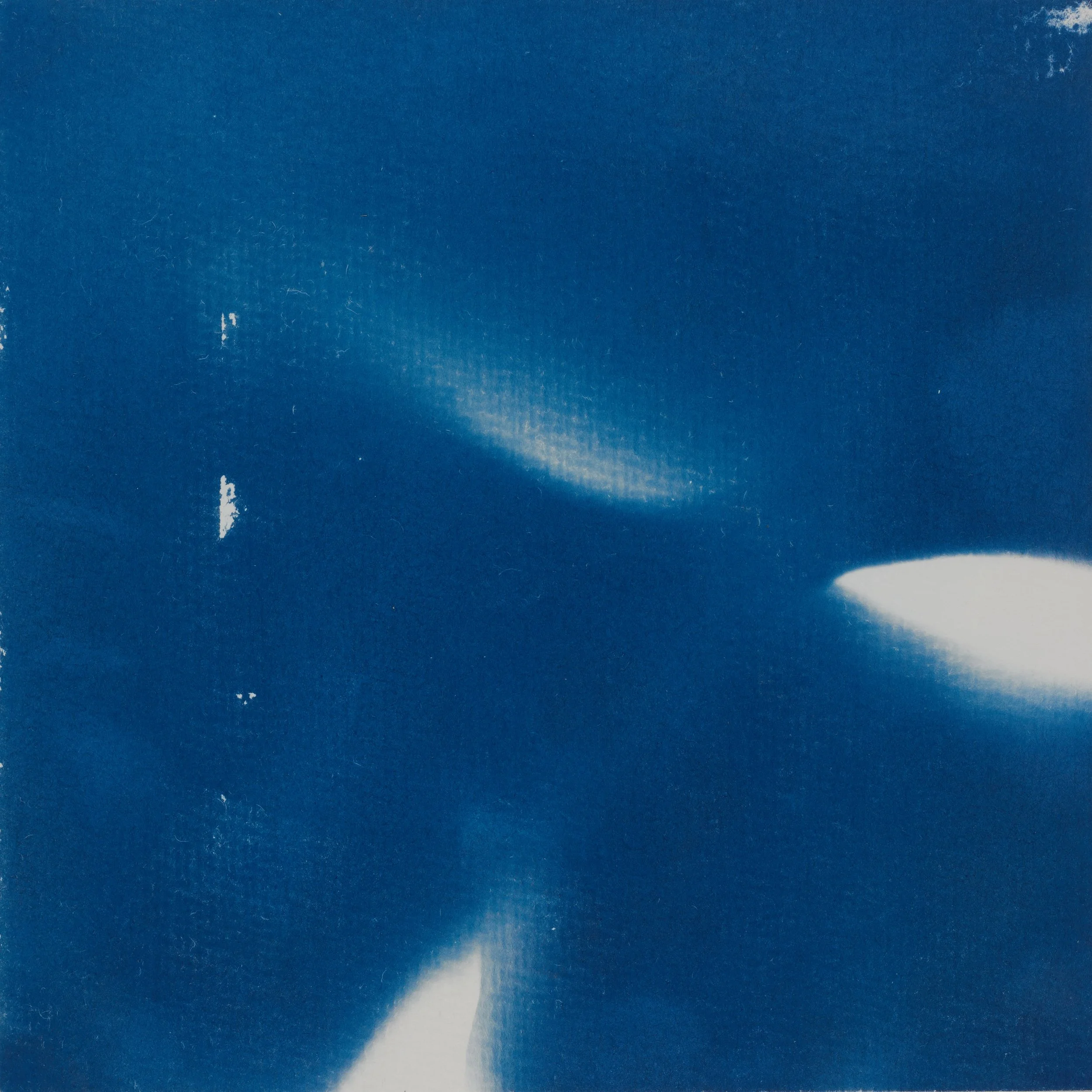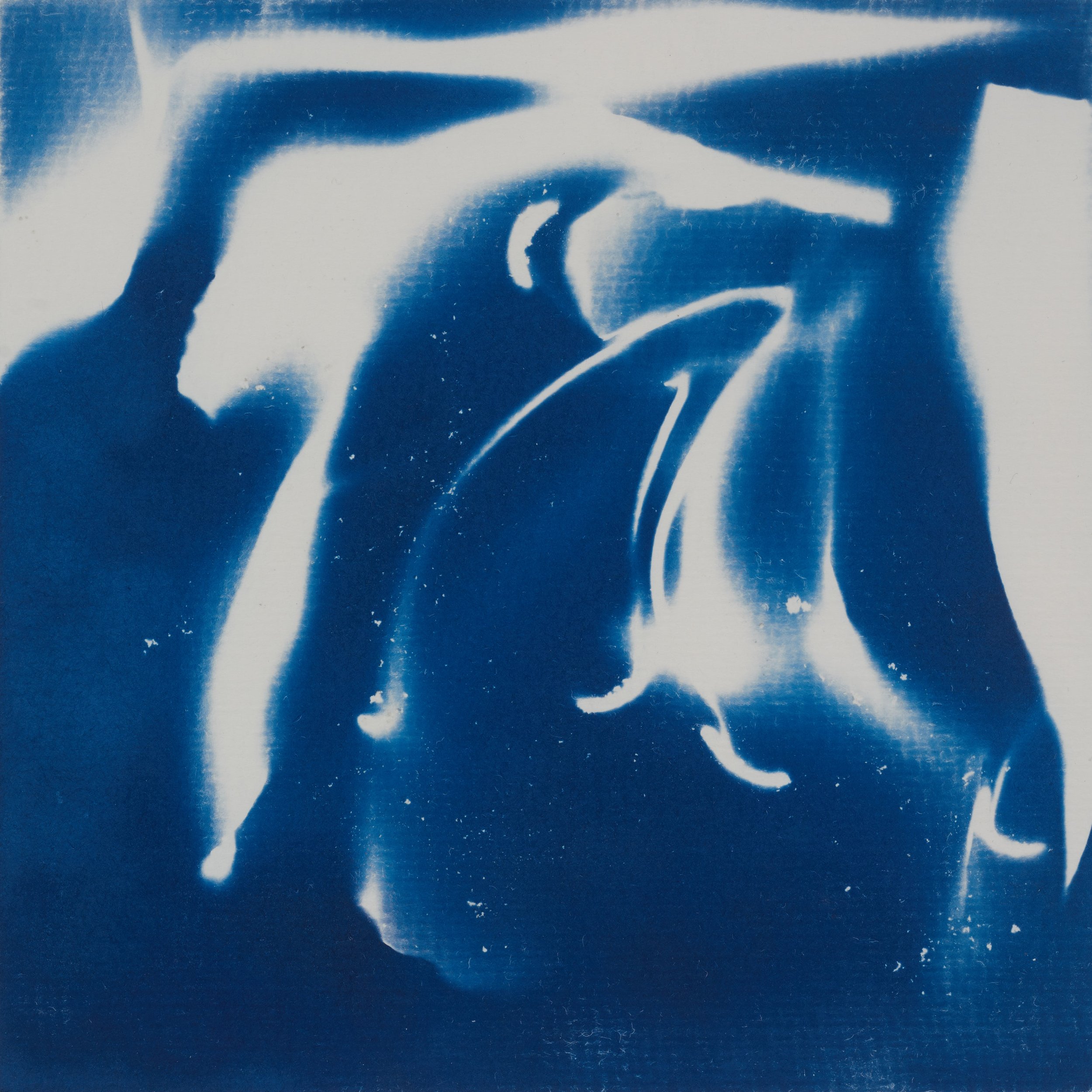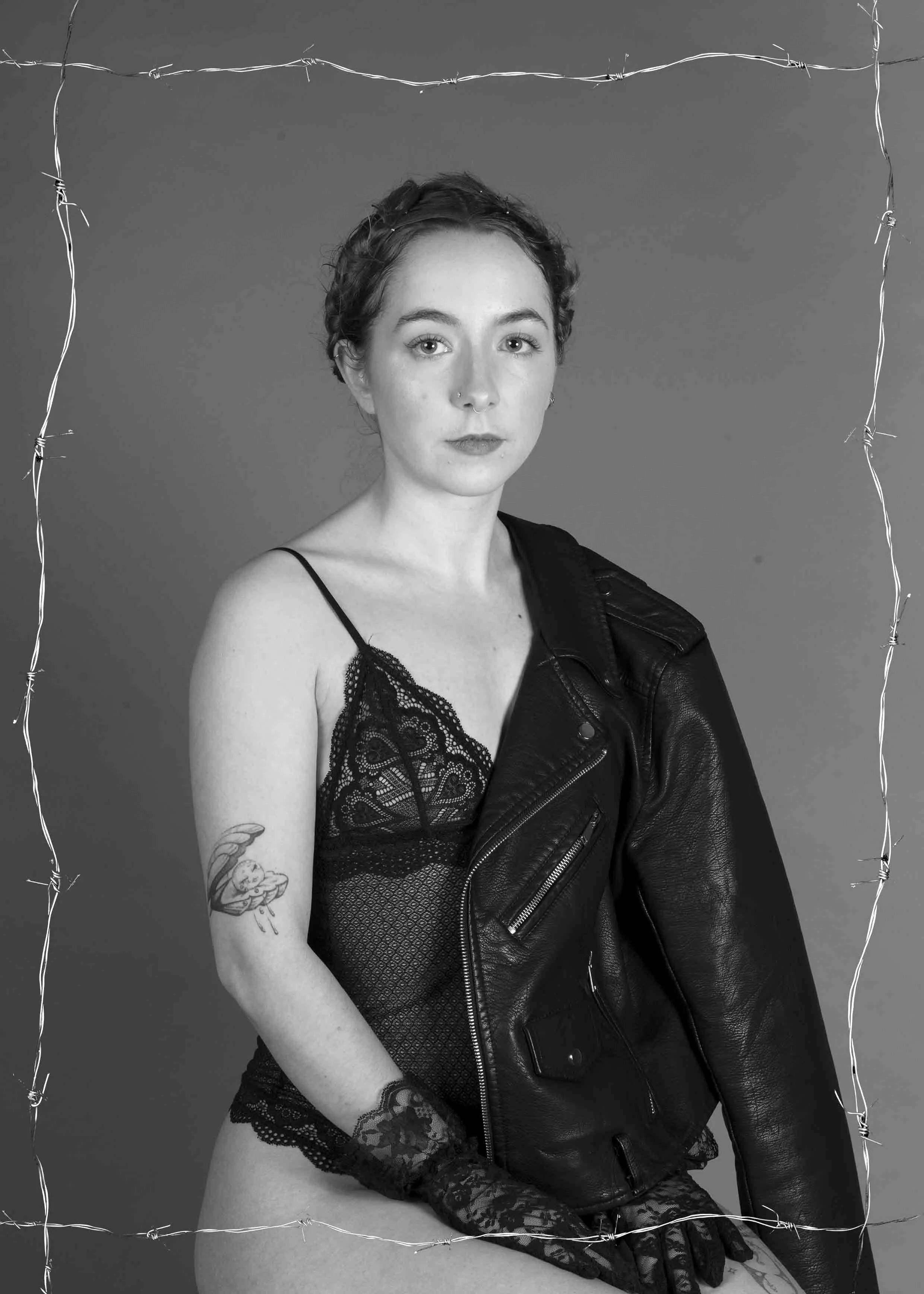


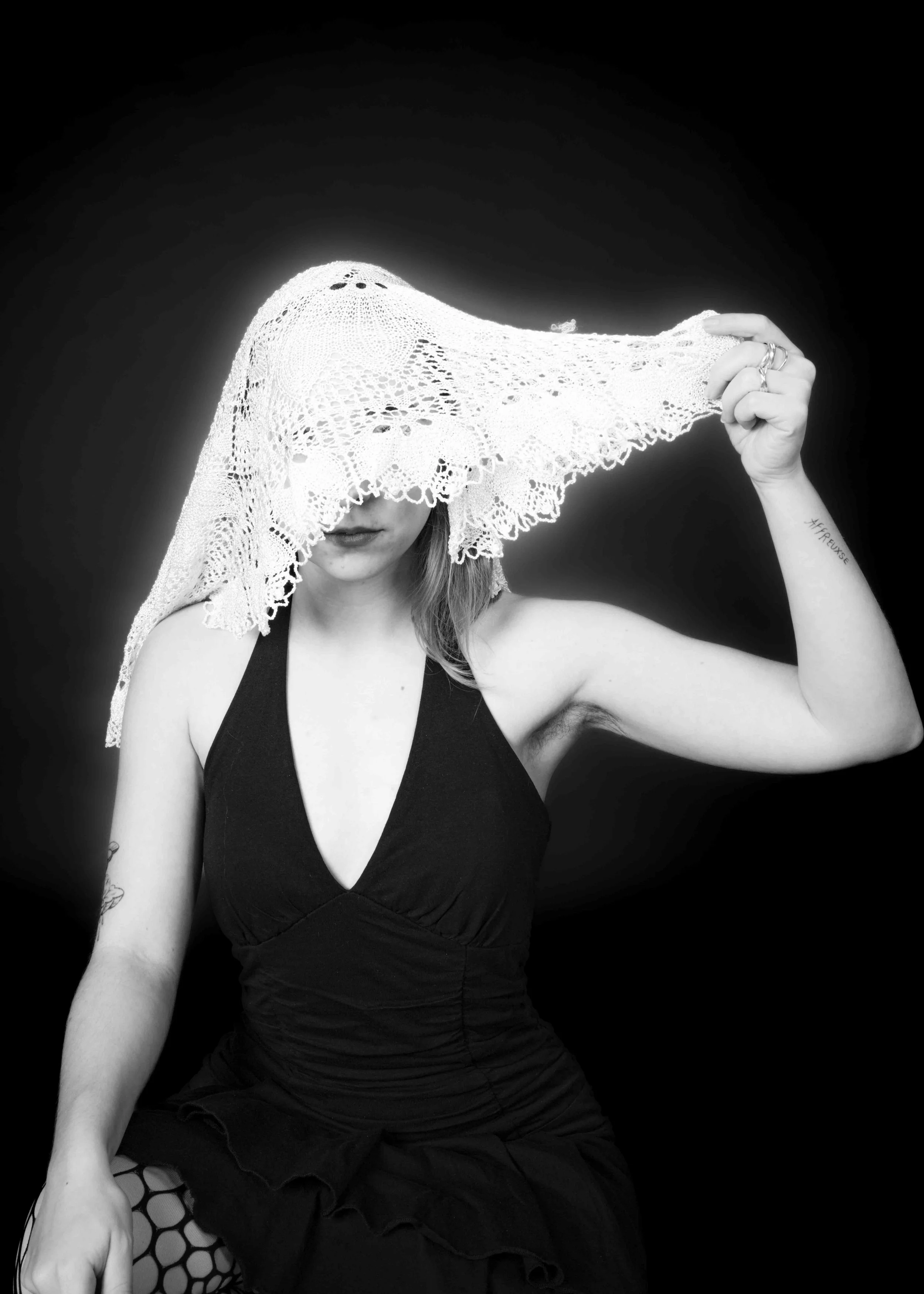
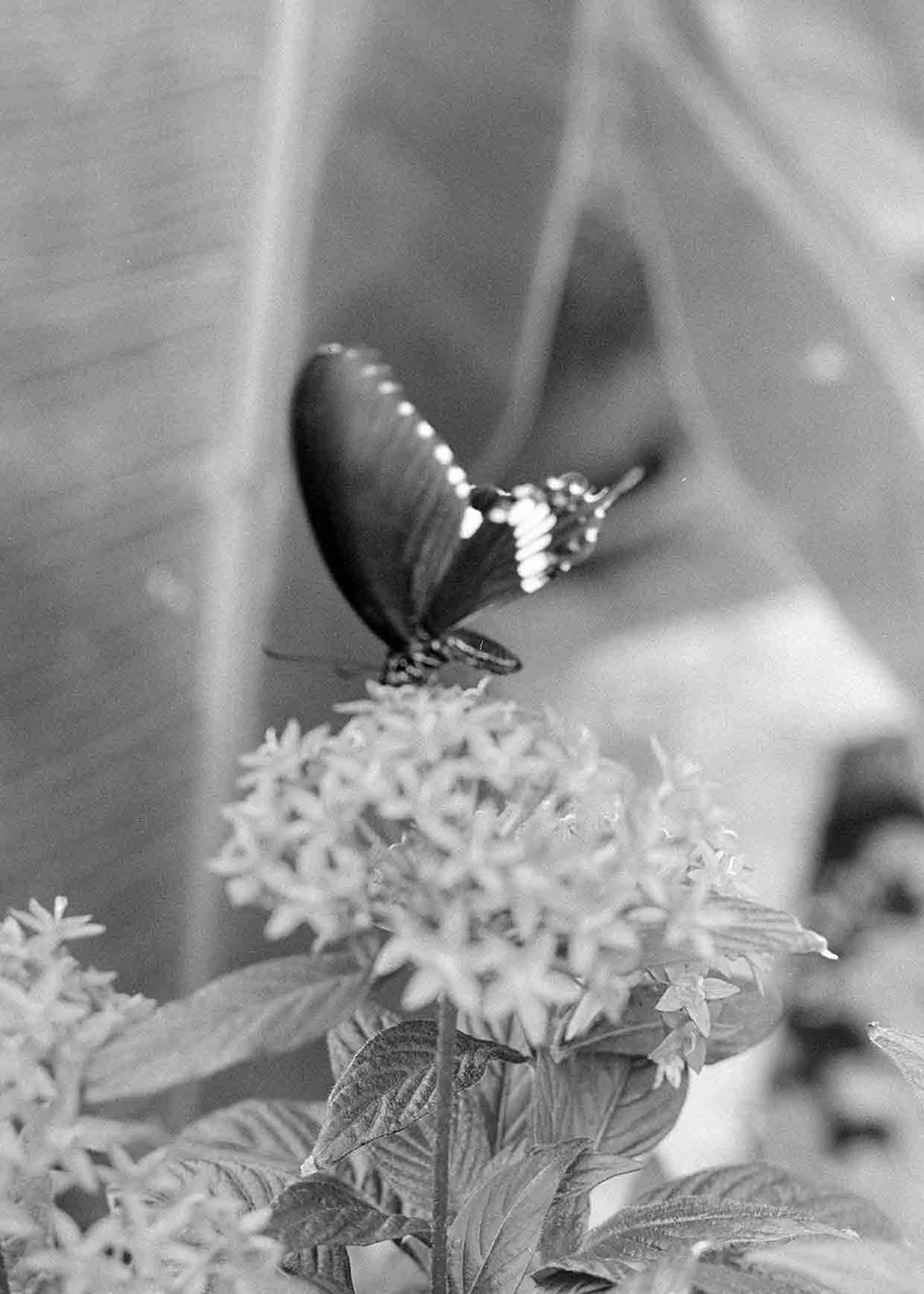

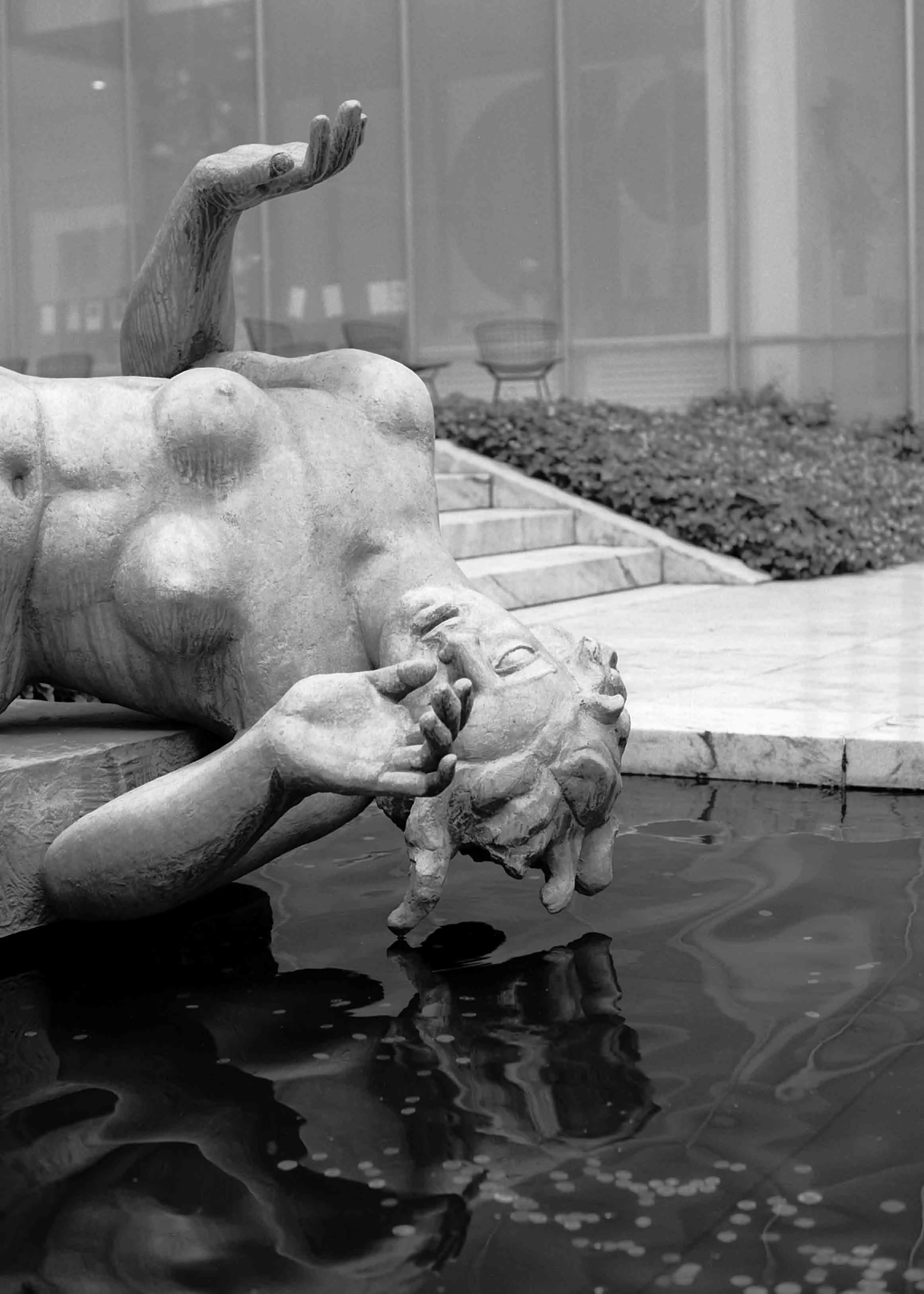
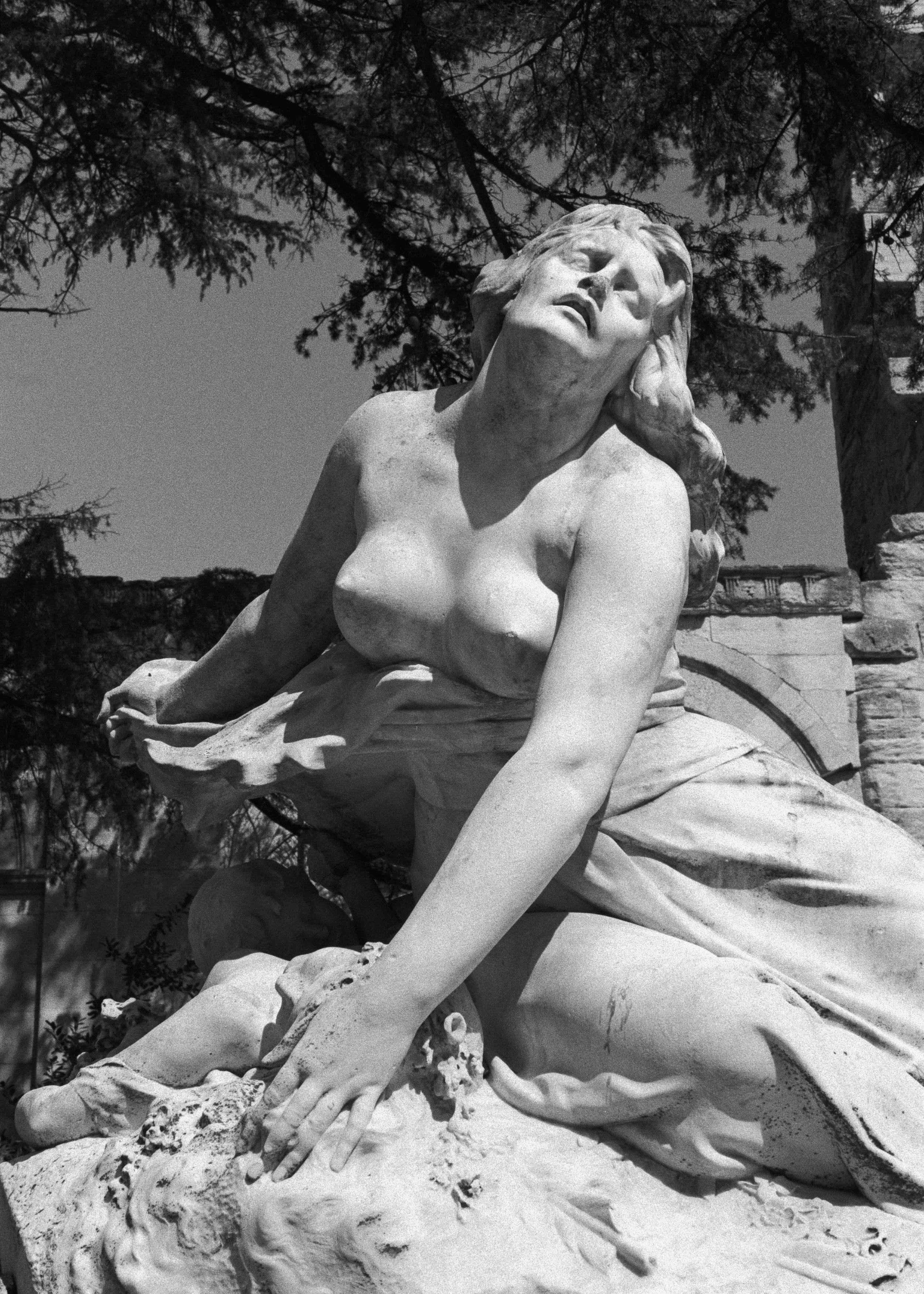
The most delicate flower grows amongst the sharpest spines” (2024-)
Bipolarity
Trigger Warnings: The following texts include the description of mental health issues including trauma and suicidal ideations. Please be cautious and stay kind with yourself.
ii. Suicial ideations
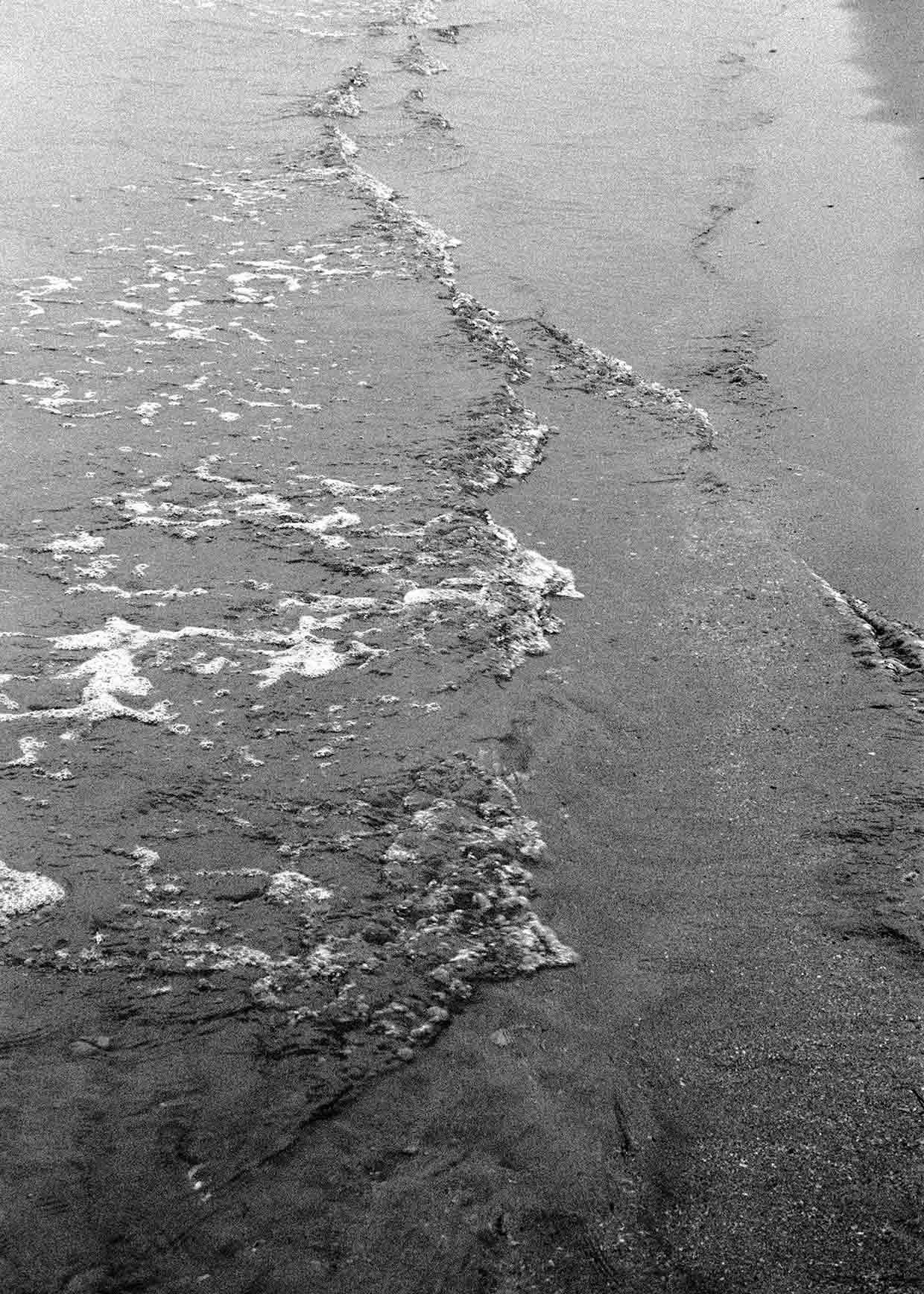
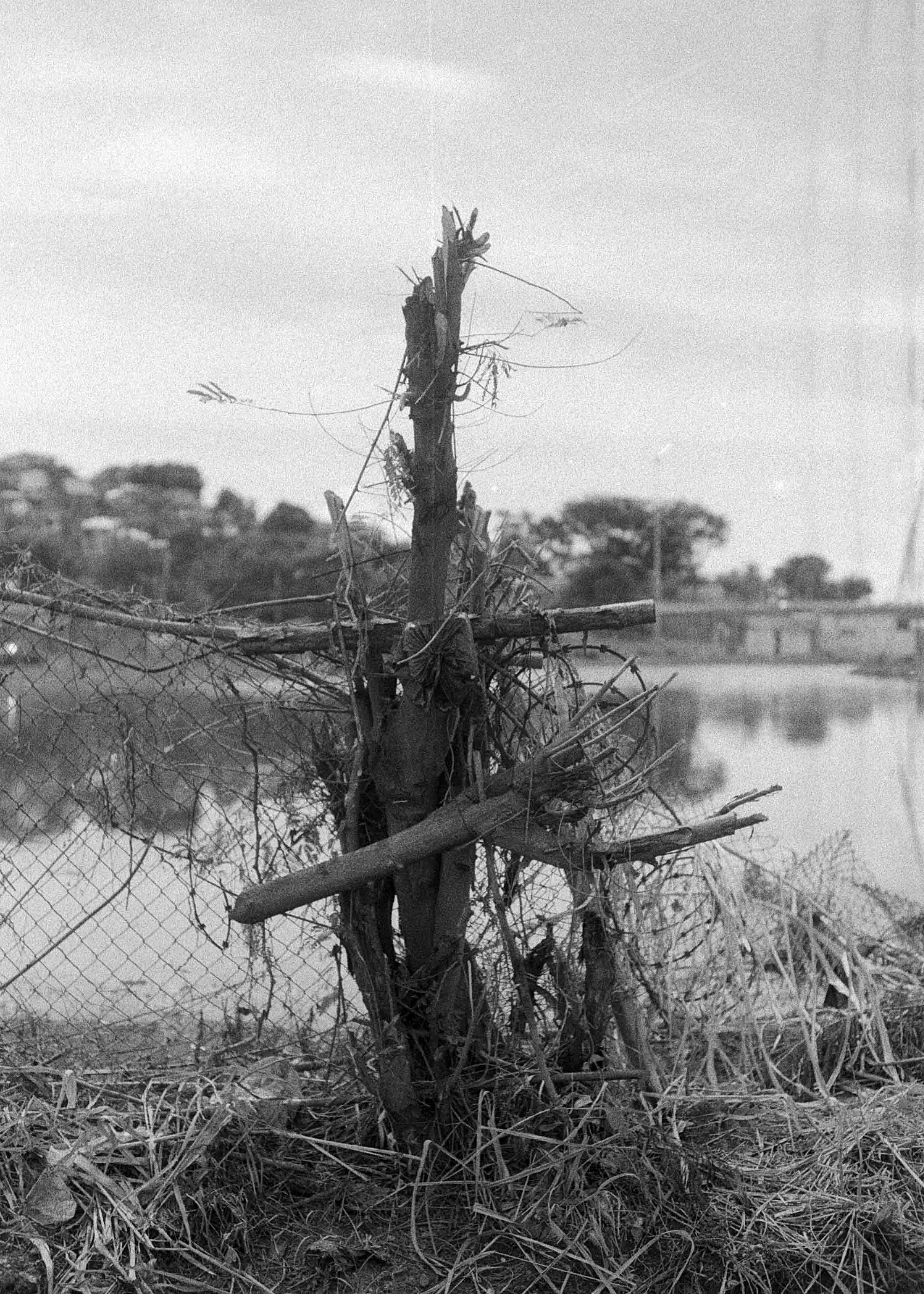
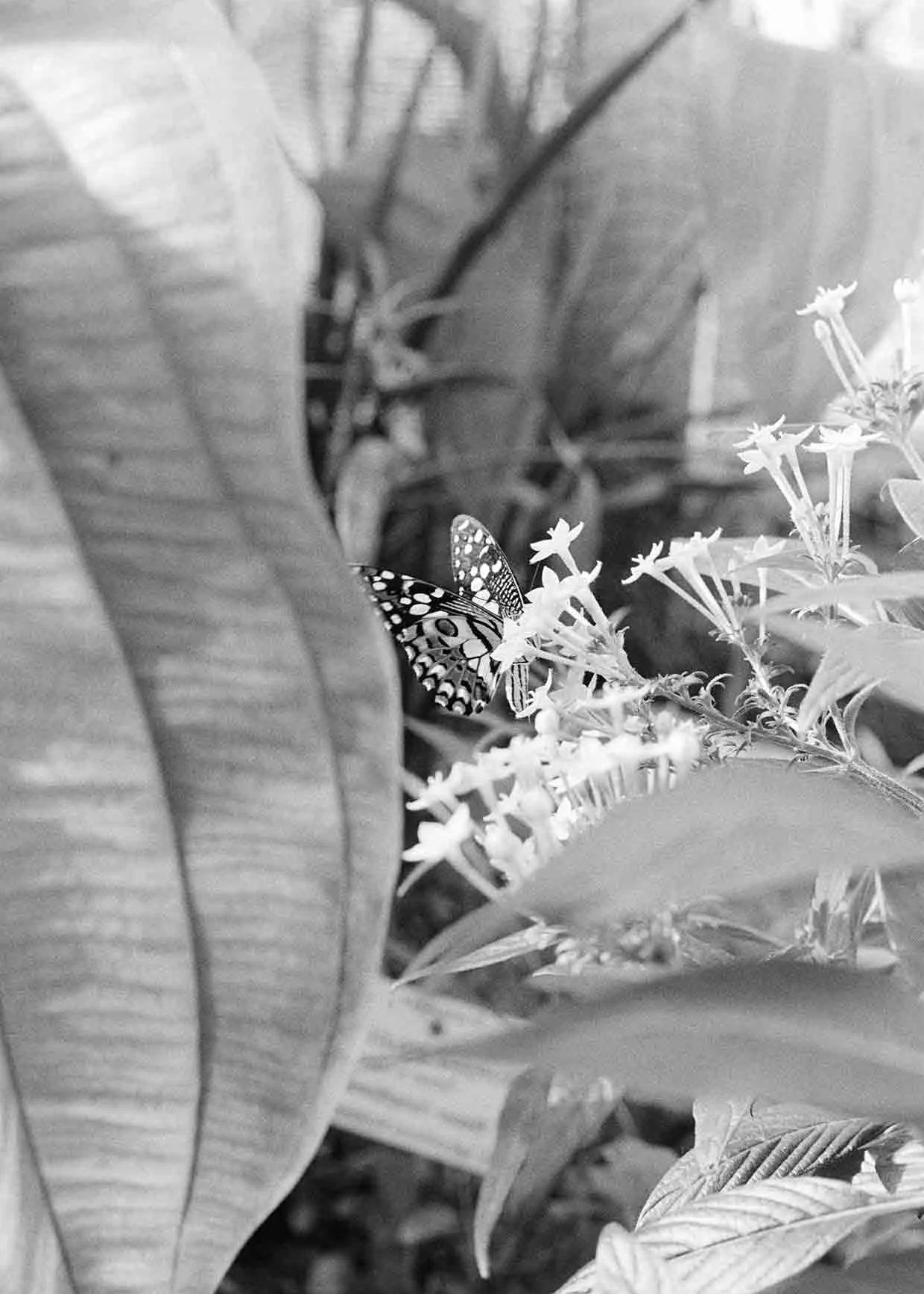
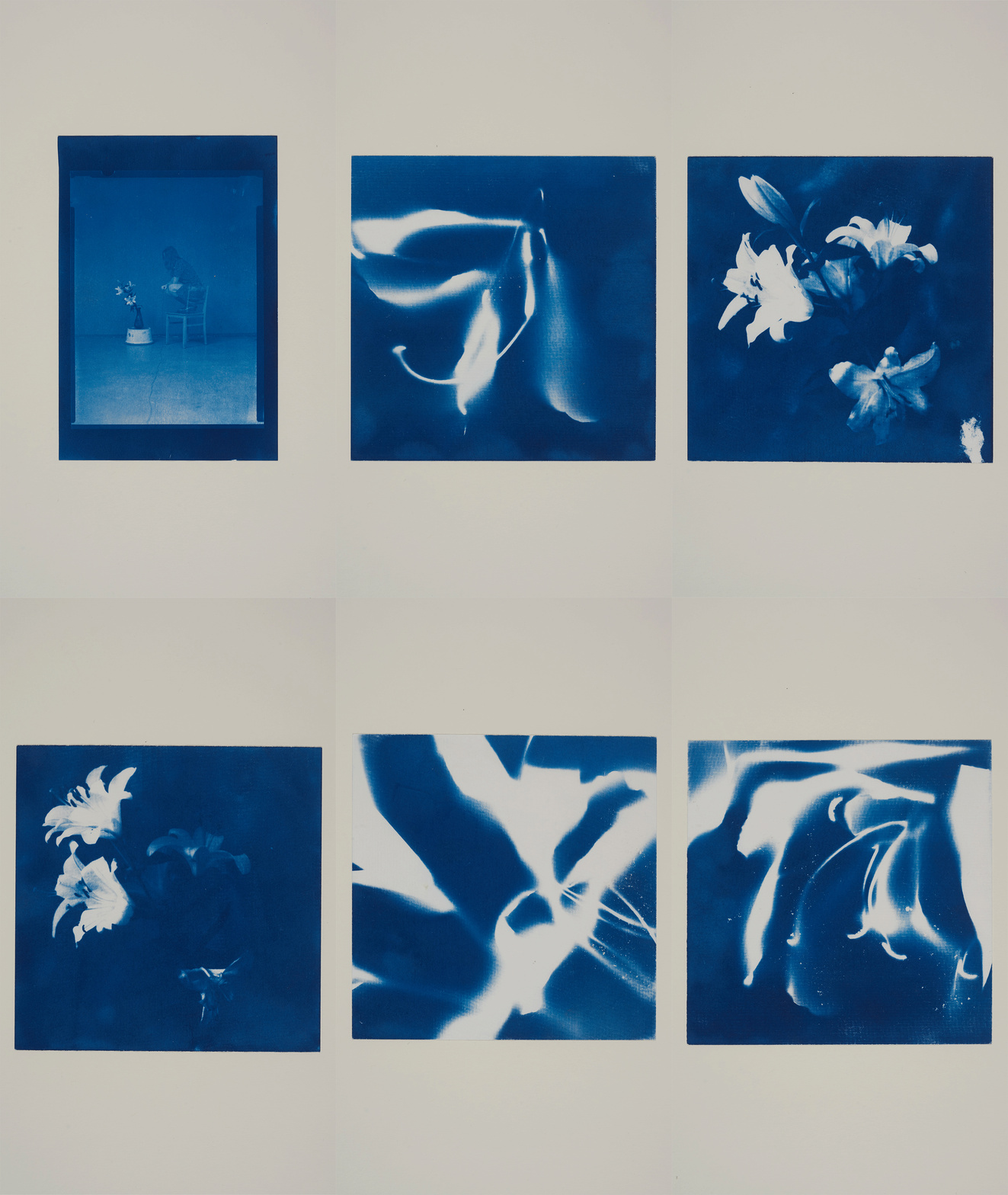
“The most delicate flower grows amongst the sharpest spines” is a ongoing personal collection of my struggle with mental illnesses. It can be divided into different subjects and time-lines, following the introspection of my inner world. It currently exists in two dimensions, my struggle with bipolararity - the ups of mania, but more the downs of depression and what often comes with depression - the suicidal thoughts and ideations that keep me in a chokehold.
i. Bipolarity
“Unravels the past to envision a future.
It captures the emotional turbulence of deep depression shifting into overwhelming joy and excitement—a journey through long-neglected feelings, spanning decades, lifetimes, even generations. Stemming from our powerlessness, it reflects how repressed trauma penetrates the present, shaping and determining the future.
This series is an expression of what is hidden deep within and to recognize that pain, engaging in a constant metamorphosis so as to deepen self-knowledge. Nature becomes a refuge, a source of peace and an enduring archetype of this process - where suffering is traced back to its roots and transforms into new connections of healing and renewal, to grow and expand in new directions.”
ii. Suicial ideations
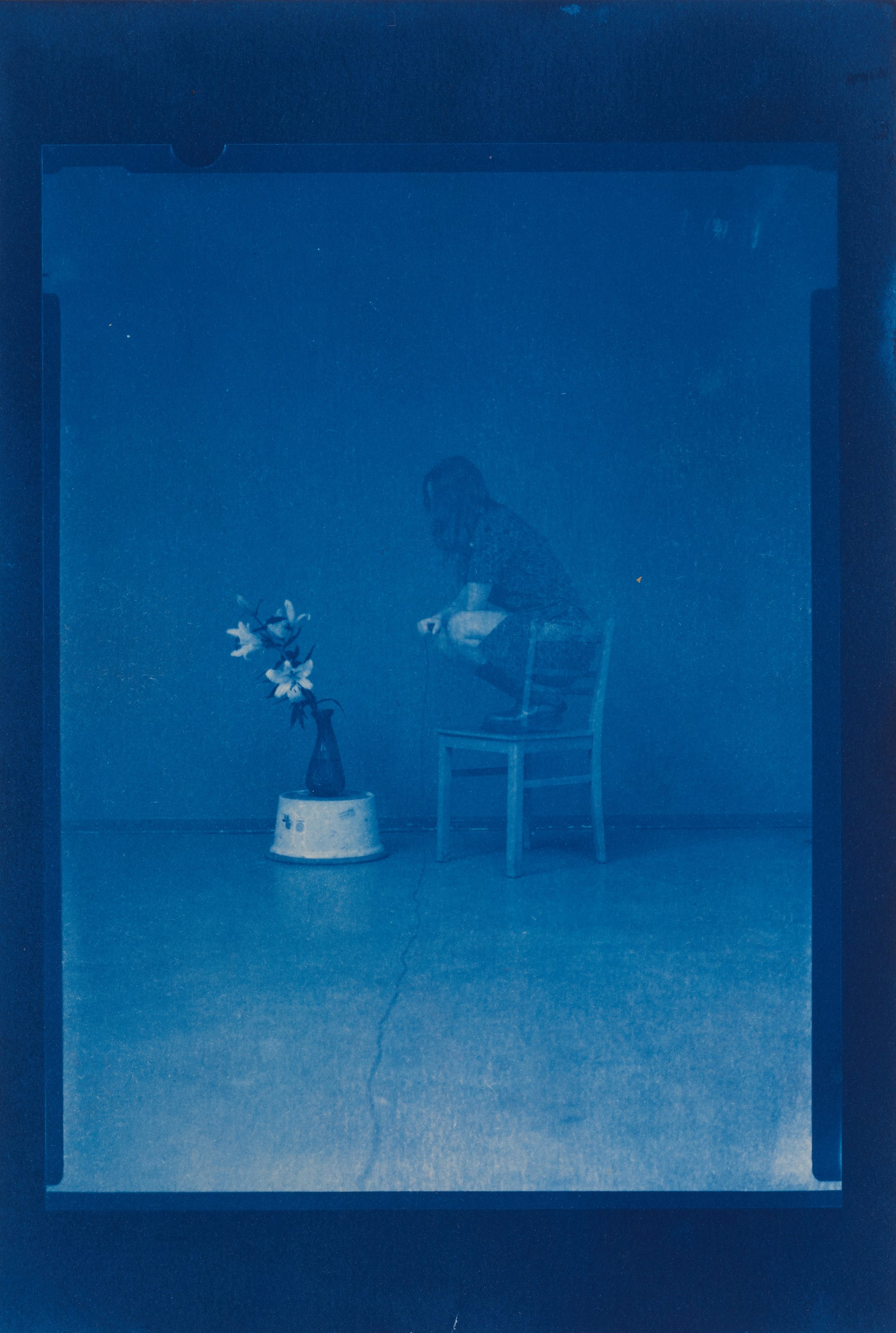
“And I ask this metaphorically, when does the flower die? When it’s cut? When its last petals split open? When it starts to wilt? When it loses it’s colour? When it reintegrated into the earth?”
Sometimes it is hard to find the right words for one’s inner world. Therefore I take photographs. I will leave you with a poem of Sylvia Plath - who’s words, if not always nice to hear, reflect a lot of what is going on inside my storm.
“Poppies in July” by Sylvia Plath
Little poppies, like hell flames,
Do you do no harm?
You flicker. I cannot touch you.
I put my arms among the flames. Nothing burns
And it exhausts me to watch you
Flickering like that, wrinkly and clear red, like the skin of a
mouth.
A mouth just bloodied.
Little bloody skirts!
There are fumes that I cannot
touch.
Where are your opiates, your
nauseous capsules?
If I could bleed, or sleep!-
If I could marry a hurt
like that!
Or your liquor seep to me, in this
glass capsule,
Dulling and stilling.
But colourless. Colourless.
About the process:
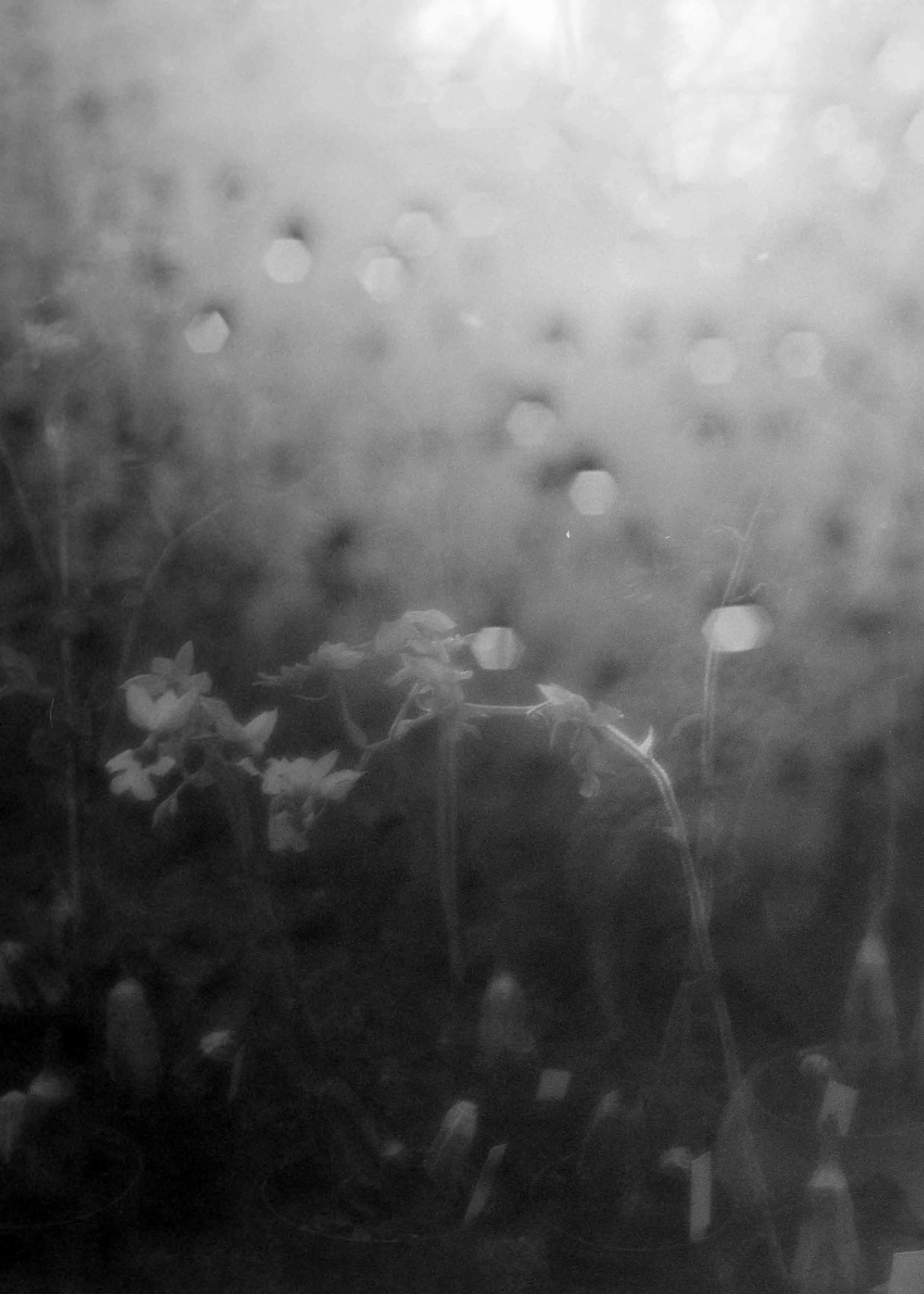
Most pictures are shot on my Olympus OM-1 with black and white film. The self-portraits are shot digitally in the studio. The Analog process is a constant factor in my artistic expression - the calm and the unknowing of it reminds me to slow down and focus on what is really important. Like recovery - film doesn’t give you the resluts in an instand. It is a proces, containing many factors like light, temperature, chemicals, etc. - similar to the brain and the human body which is also determined by external factors. With the analog camera, you can’t see inside - there will be only darkness. Both the film need to be in the dark for it to come out with light and when it is disturbed will turn into blackness - everything that has been captured, all the progress, the moments, the contemplation - erased.
For it is very expensive to shoot with film, I can’t seem to get away from it’s magic. When I shoot I feel ease and bliss. Waiting, waiting, waiting to see what I once was sure to be important to remember. For the second part of the series, both the bell jar by Sylvia Plath and the works of Francesca Woodman were important to me. In that self portrait I used a double exposure, following a self portrait Woodman took in the same manner.